Email Automation Sequences That Convert
Most email sequences are annoying because they're self-serving. Here's how to build sequences that actually help recipients — and convert because of it.
Value First, Ask Second
The average professional receives 120 emails per day. Your automated sequence is competing against 119 others for attention. The sequences that win aren't the most frequent — they're the most useful. Every email should pass the "would I be glad I opened this?" test.
The best-converting email sequences follow a simple pattern: help, help, help, ask. Three emails that provide genuine value, followed by one that requests action. This works because by the time you ask, you've established credibility and demonstrated relevance.
Building Effective Sequences
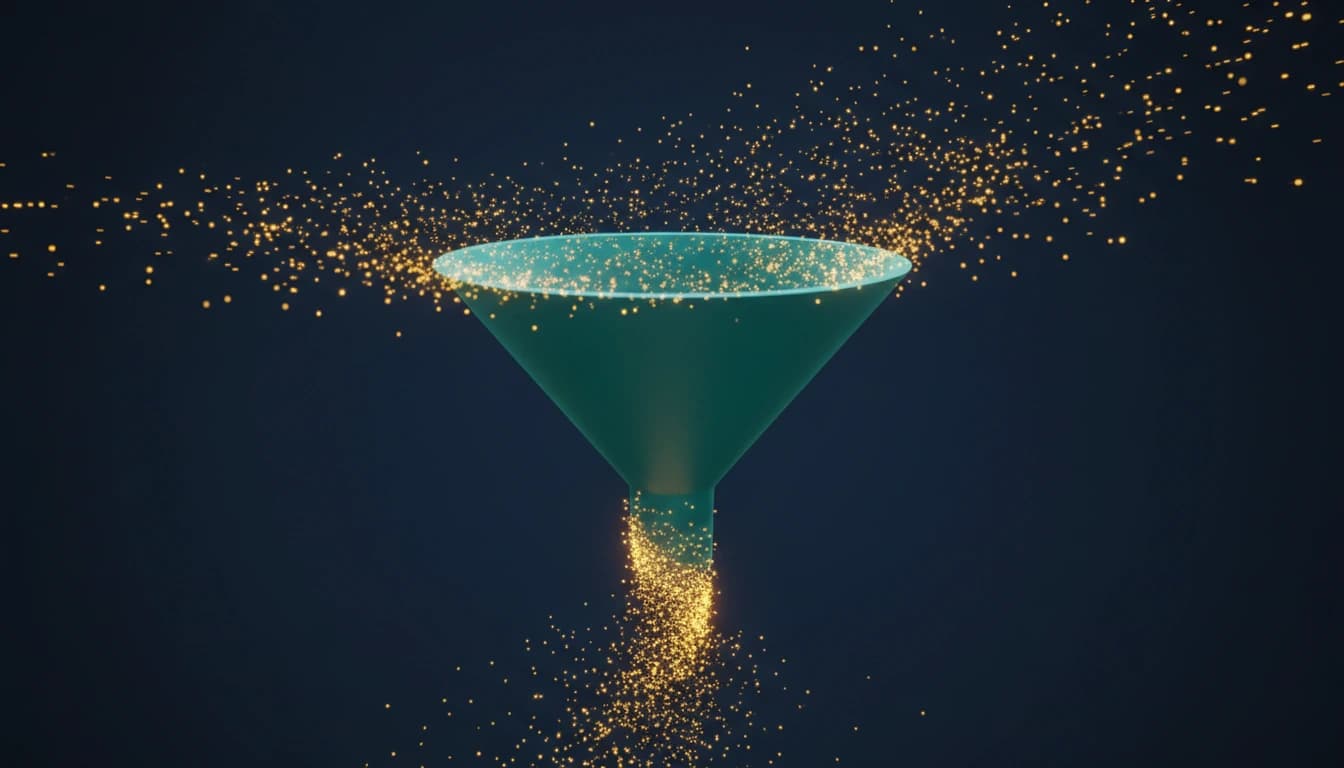
Segment ruthlessly. One sequence for everyone is a sequence for no one. At minimum, segment by where someone entered your funnel. A blog reader needs different nurturing than a free trial user. A webinar attendee needs different follow-up than a pricing page visitor.
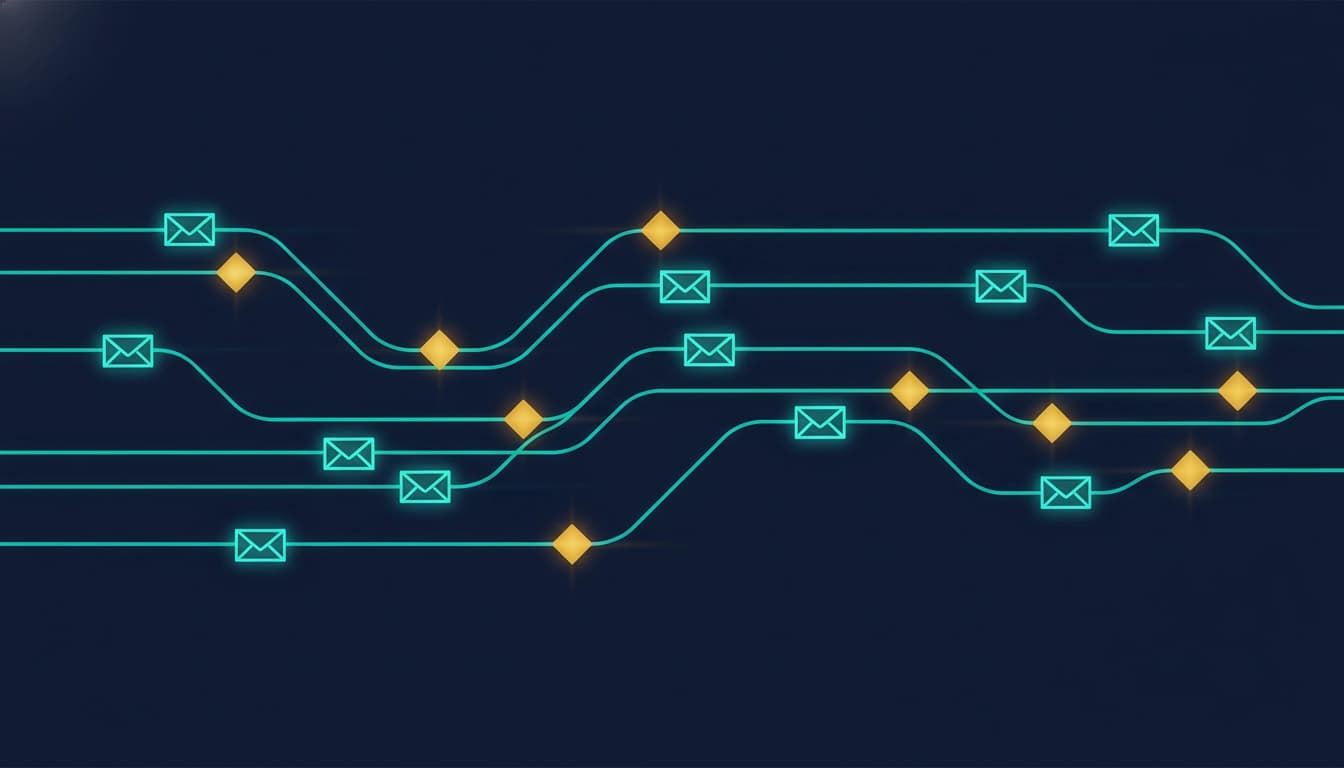
Behaviour-triggered, not time-triggered. Send the next email when the recipient takes (or doesn't take) an action, not when the calendar says it's been three days. Someone who opened and clicked every email is ready for a different message than someone who hasn't opened any.
Test one variable at a time. Subject lines are the highest-leverage test. A 10% improvement in open rates compounds across every email in the sequence. Test subject line approaches (question vs. statement, specific vs. curious) before testing email body content.